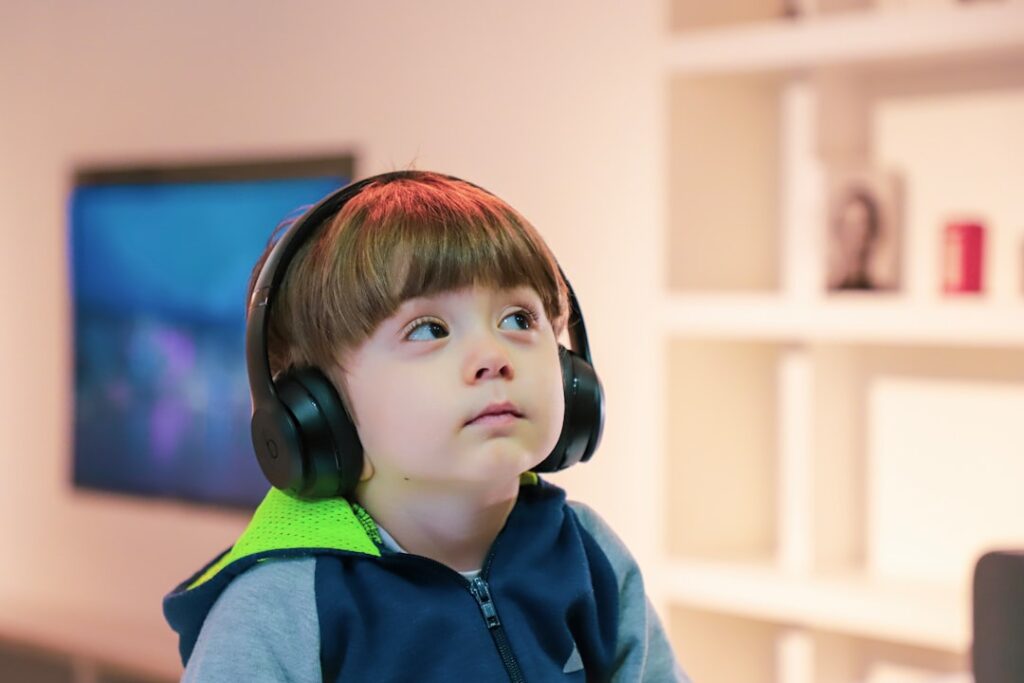

A frequent mistake is assuming the child should simply adapt or be reasoned with during these moments of distress. This can backfire, increasing anxiety and frustration on both sides. Instead, caregivers benefit from recognizing sensory distress signals and responding with patience and understanding. A calm voice or a quiet space can make a huge difference.
For example, parents might prepare a plan tailored to their child’s sensory profile before outings. This could involve bringing noise-canceling headphones, choosing seating away from loud areas, or having familiar comfort items at hand. Offering these supports helps prevent overload rather than forcing the child to endure it. Such practical steps acknowledge sensory processing as a core aspect of autism, not a behavioral choice.
Consider a classroom where bright fluorescent lighting and strong paint odors overwhelm a student during art class. A teacher once tried to redirect the student to another activity, thinking distraction would help. But without addressing the sensory cause, the student became more withdrawn. Asking the student for adjustments, like dimming lights or switching to scent-free materials, respects their needs and keeps them engaged.
Sensory integration therapy offers a gradual way for some autistic individuals to build tolerance to challenging stimuli. It involves controlled exposure combined with strategies that teach calming techniques and body awareness. Over time, this can improve their ability to regulate reactions in environments that would otherwise cause distress.
Awareness of different sensory sensitivities is key for anyone supporting autistic people. Some react strongly to sounds others don’t notice; others find certain fabrics unbearable or lights glaring. Training educators and caregivers to spot these signs and adjust environments accordingly transforms schools and community spaces into places where children feel safe and included.
Understanding autism and sensory issues benefits not just individuals on the spectrum but everyone in their communities. When people respond with empathy and practical support, like quiet zones or flexible routines, it reduces misunderstandings and stress. This creates an atmosphere where autistic children can participate more fully without constant overwhelm.
Families often keep notes or logs tracking what triggers sensory overload and which strategies help calm their child. Sharing this information with teachers or therapists builds consistency across settings. Simple habits like these prevent repeated struggles and avoid wasting time on ineffective approaches.
For more detailed guidance on managing sensory challenges associated with autism, visit sensory support strategies. These resources offer grounded advice that can be adapted to everyday life.