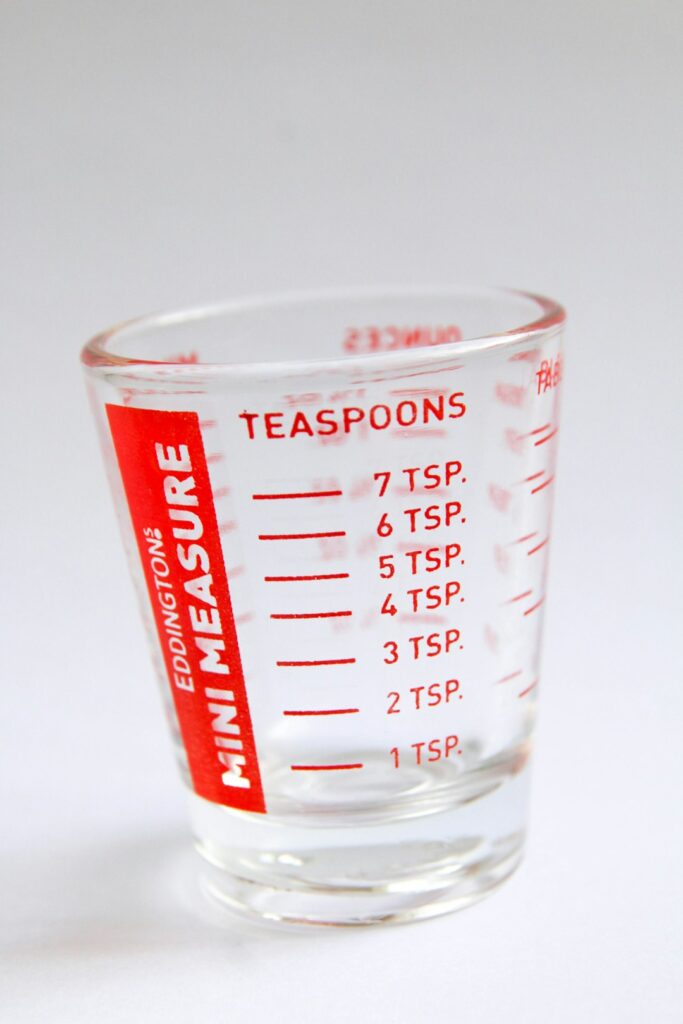

Specialized pesticide measuring cups solve these issues by offering accurate volume markings and spill-resistant designs. The ACCUPOUR series includes sizes ranging from small 4 oz pitchers, ideal for minor adjustments, to large 128 oz containers meant for bulk mixing. Clear gradations on each cup allow applicators to double-check amounts easily, which reduces guesswork. Many operators develop the habit of always measuring twice before pouring to avoid costly mistakes that force them to redo mixes or discard excess chemicals.
One farm owner shared how switching from generic containers to dedicated pesticide pitchers made a noticeable difference. Before, workers strained with awkward handles and sloppy spills during long shifts; now, the ergonomic grips ease handling even when cups are full. This cut down on fatigue and accidents caused by slipping containers. The cups’ sturdy construction also means they hold up against harsh solvents and repeated use without cracking or fading, a common failure point with cheaper plastic cups.
Technical features matter beyond just measurement accuracy. These pitchers often have spill-proof spouts that keep liquids contained while moving between storage and mixing tanks. Transparent sides make it quick to verify levels at a glance. Many users keep a dedicated pitcher per chemical type to avoid cross-contamination, labeling them clearly or using color codes. This practice helps prevent costly errors where residues from one product affect another’s performance or safety.
Custom branding options add value for larger operations. Farms and agricultural companies can imprint logos or color schemes on the pitchers, reinforcing team ownership and equipment accountability. One corporation reported that branded cups helped crews identify their tools easily across multiple sites, reducing loss and improving maintenance routines. Such details support smoother daily workflows on busy farms where multiple staff handle pesticide mixing in shifts.
Accurate measurement directly impacts chemical use efficiency. A case study involving a large agriculture firm found that switching to reliable measuring pitchers reduced chemical waste and enhanced compliance with safety standards. Workers felt more confident following consistent procedures, which translated into healthier crops and better yields. Field supervisors noticed fewer complaints about uneven application rates, and incident reports related to spills dropped.
For businesses considering these tools, requesting a sample is a straightforward way to test their suitability before committing. Trying out different sizes helps decide what fits specific tasks best, whether that means a 16 oz cup for routine daily mixes or a 64 oz pitcher for bigger batches. Having the right cup on hand prevents last-minute improvisations with unsuitable containers, which often cause delays or errors.
Using dedicated pesticide measuring cups leads to safer handling and more precise applications across many agricultural environments. Reliable measurement tools paired with good habits, like cleaning cups between uses and cross-checking labels, help maintain consistent product performance and reduce risks. For additional resources on equipment and product handling, visit . Investing in proper measuring tools is a simple step that protects crops, workers, and the environment alike.