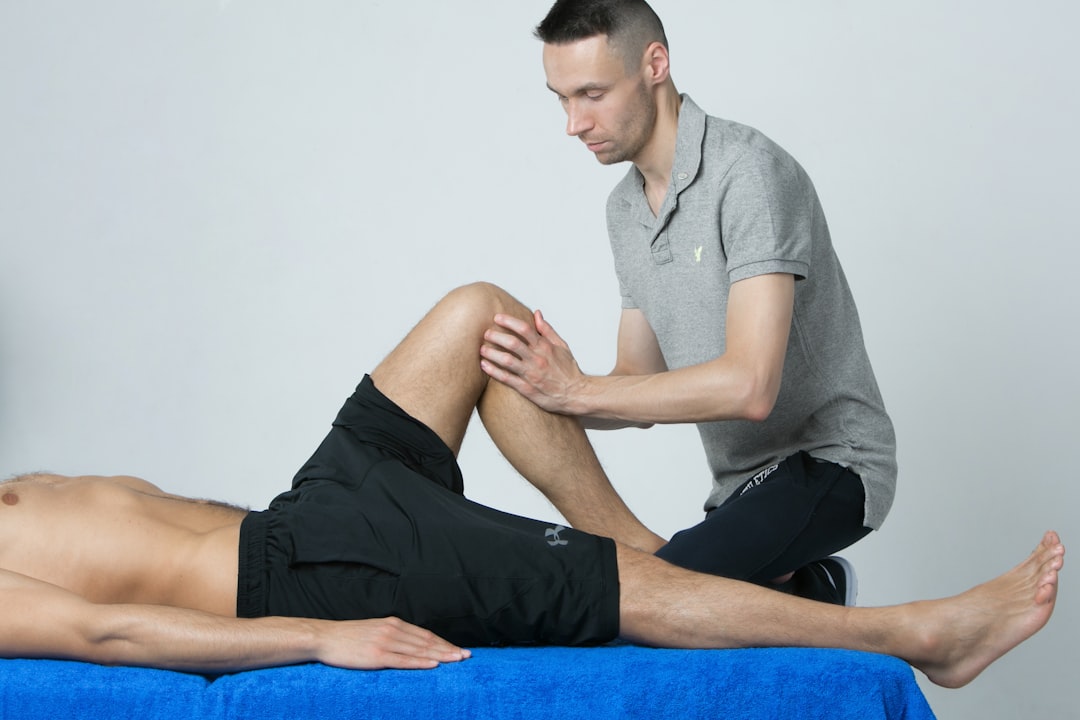

An assessment involves more than locating the sore spot. A physiotherapist may observe walking, a sit-to-stand movement, bending, and a controlled hip hinge. They may assess spinal and hip movement, leg strength, reflexes, and sensation, then ask whether symptoms extend into the buttock or leg. Aching in the buttock can be referred from nearby tissues, while tingling, numbness, or a burning track may suggest irritation involving a nerve. These findings do not provide a diagnosis on their own, but they help determine which movements need modification and whether further medical review is appropriate. Anyone seeking physio for back pain should expect an examination shaped around symptoms and goals, not a standard sheet of stretches.
A useful appointment often includes questions about the workday in detail. The clinician may ask how long you can sit before symptoms change, whether you lean toward one side, and what happens after a commute. It can help to bring a brief record from the previous few days, including sitting periods, walks, exercise, sleep, and the next morning’s symptoms. A photograph of the usual desk setup can also be more informative than a vague description of posture. The therapist may check screen height, chair support, foot position, and keyboard distance, while remembering that no single posture is automatically harmful. Regular position changes usually matter more than holding a supposedly perfect shape.
Suppose an office worker feels comfortable at nine o’clock but develops a dull ache after three hours at a laptop. The likely problem is not necessarily one bad posture. Long, uninterrupted sitting can expose a gap between current capacity and daily demand. Capacity, sometimes called load tolerance, refers to how much stress the muscles, joints, and nervous system can handle before symptoms rise. Early advice might include standing for a minute between tasks, walking during a phone call, using back support temporarily, and changing position before discomfort becomes intense. Gentle hip movement, repeated spinal movements, or low-load strengthening can be introduced according to the assessment.
The plan should progress rather than remain at the easiest level. A person who can complete a short walk without a flare may add a few minutes every several days, provided symptoms settle as expected. Someone who needs to lift files from a low drawer might first practise moving the hips back with a neutral, relaxed trunk, then handle a light object from a raised surface. Keeping a note of how the back feels later that day and the following morning helps prevent accidental overloading. A brief increase in discomfort does not always mean harm, but a sustained rise that affects sleep, walking, or work deserves a review of the programme.
Lifting a child, laundry basket, or suitcase can be particularly worrying after a painful episode. Avoiding every bend may feel protective, yet prolonged guarding can make normal movement feel unfamiliar and effortful. Graded exposure restores the task in stages: practise a hip hinge without weight, lift a light object from a table, lower it toward a chair, and eventually work closer to the floor. The person learns to coordinate the hips, legs, and trunk while breathing normally rather than bracing rigidly. The goal is not to force through a sharp symptom. It is to rebuild confidence and strength with a level of challenge that can be repeated consistently.
Exercise instructions need clear purpose. Core bracing does not mean pulling the stomach in hard or keeping the spine motionless throughout the day. It usually means gently coordinating the abdominal, back, and hip muscles for a task that needs extra control, such as carrying groceries or rising from a low chair. A therapist may combine this with glute strengthening, hip mobility, or controlled trunk rotation. Mobility means useful, controlled movement, not simply being flexible. A person may easily stretch the hamstrings yet still lack the hip control needed to bend, turn, or reach comfortably. The exercise should resemble a demand in the person’s home or workplace.
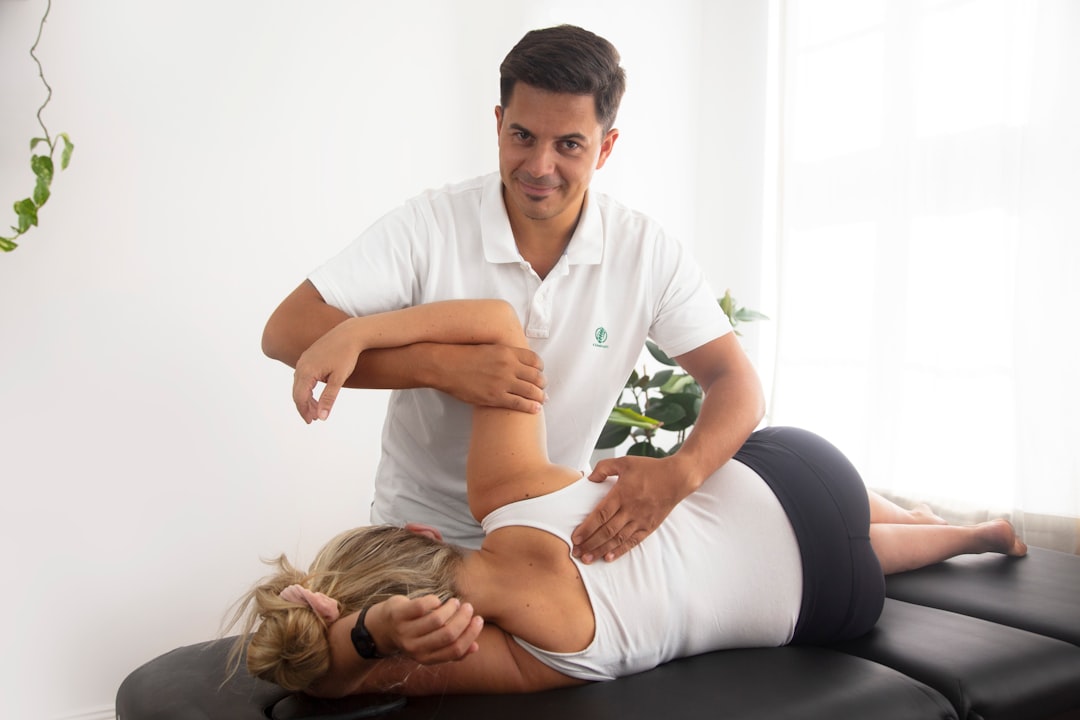
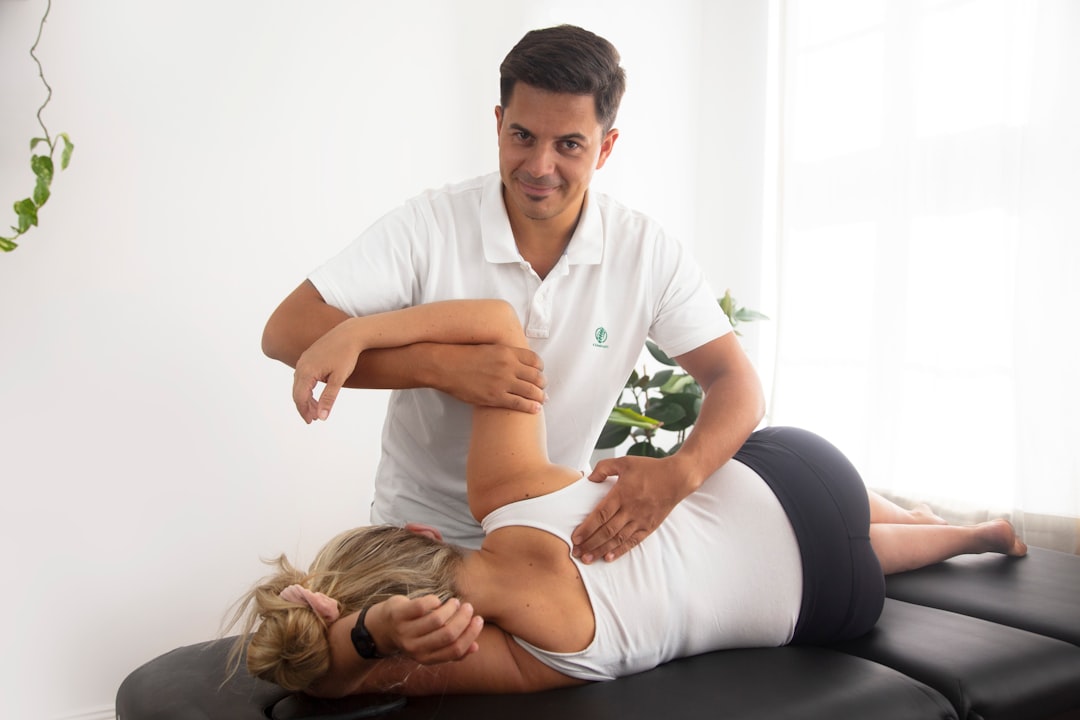
Hands-on care can sometimes reduce symptoms or make a restricted movement easier, but it should connect to an active plan. Soft tissue techniques, joint mobilisation, heat, or similar short-term measures may help someone begin walking or exercising with less discomfort. The practical test is what changes afterward. If sitting up, bending, or turning becomes easier for a limited period, that opportunity can be used to practise the movement rather than waiting passively for relief. A sound back pain treatment plan also accounts for sleep, commuting, childcare, exercise habits, and the tasks the person wants to resume.
Recovery is seldom a straight line. A long drive, poor sleep, an unusually demanding workout, or a stressful week can make symptoms more noticeable without proving that new damage has occurred. Tracking these patterns helps separate a short-lived flare from a continuing decline and reduces the temptation to change several exercises at once. Seek prompt medical advice for marked or progressive weakness, loss of bladder or bowel control, numbness around the groin, unexplained fever, major trauma, or rapidly worsening pain. For less serious back pain, steady movement, sensible pacing, regular position changes, and gradual strengthening are often more useful than waiting for one perfect exercise.