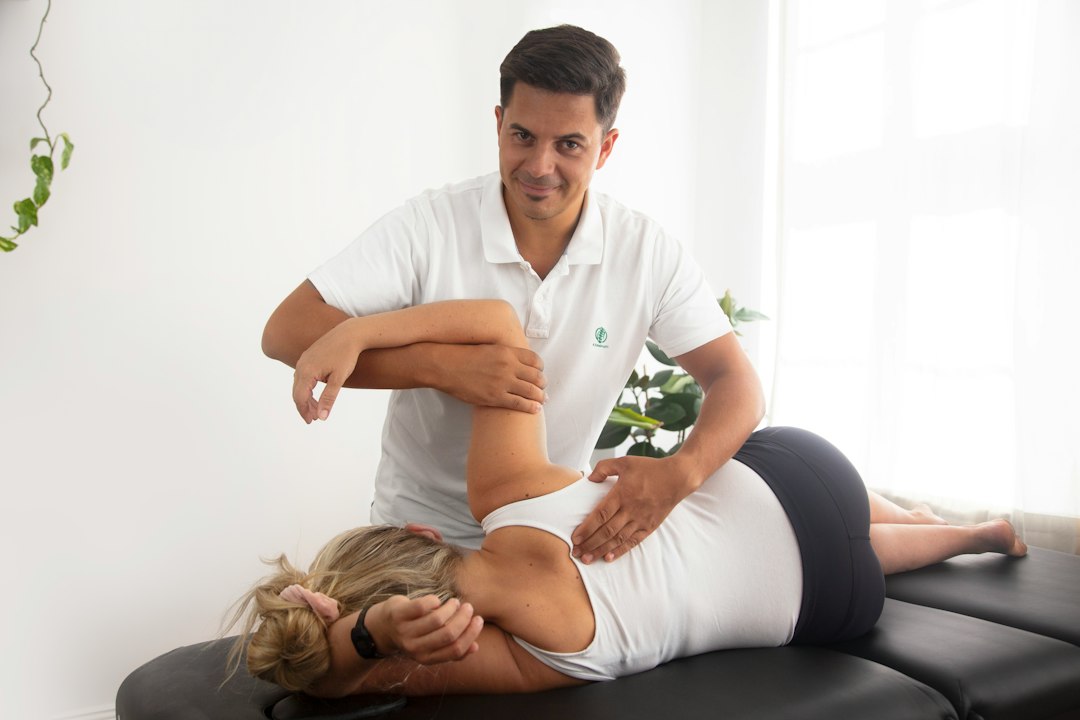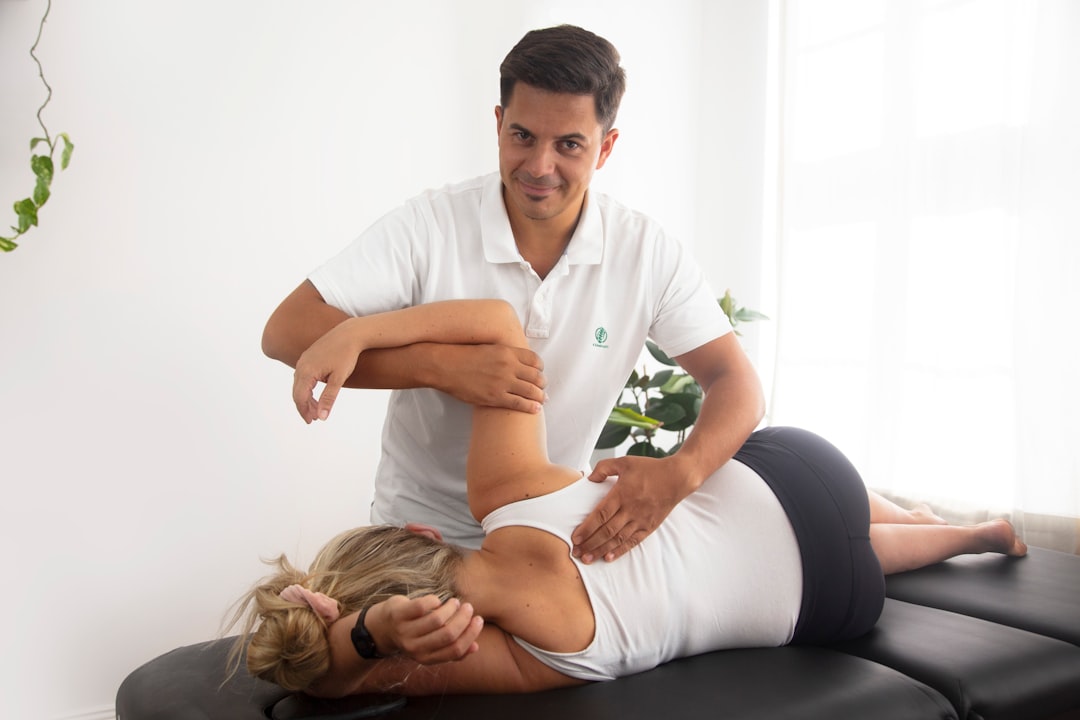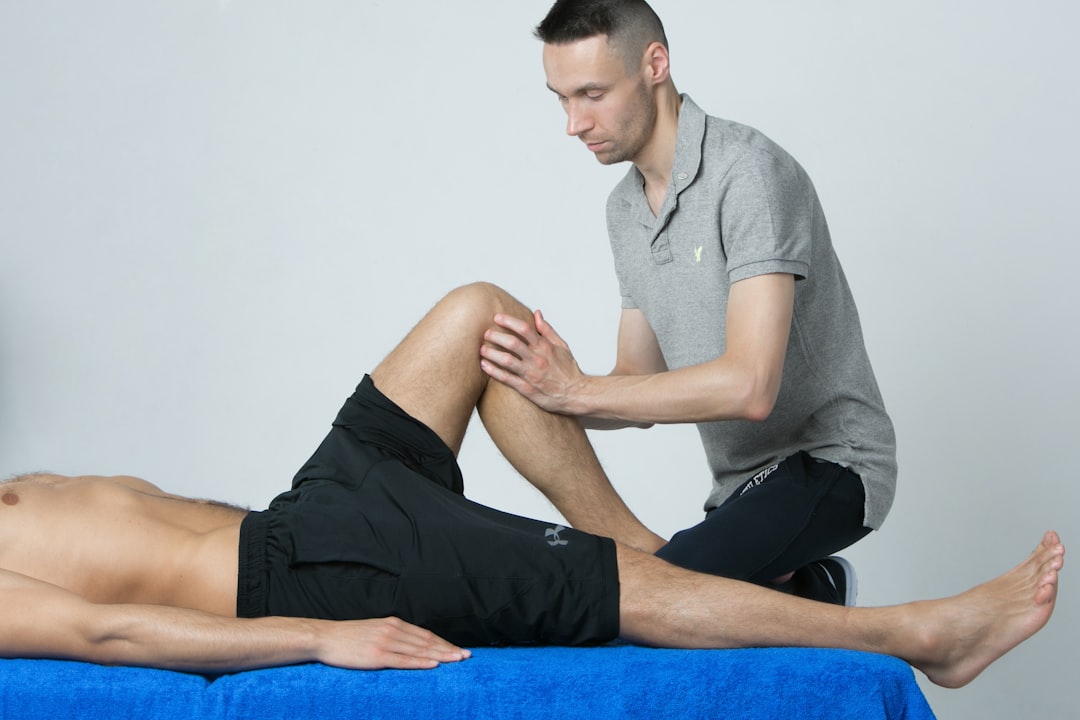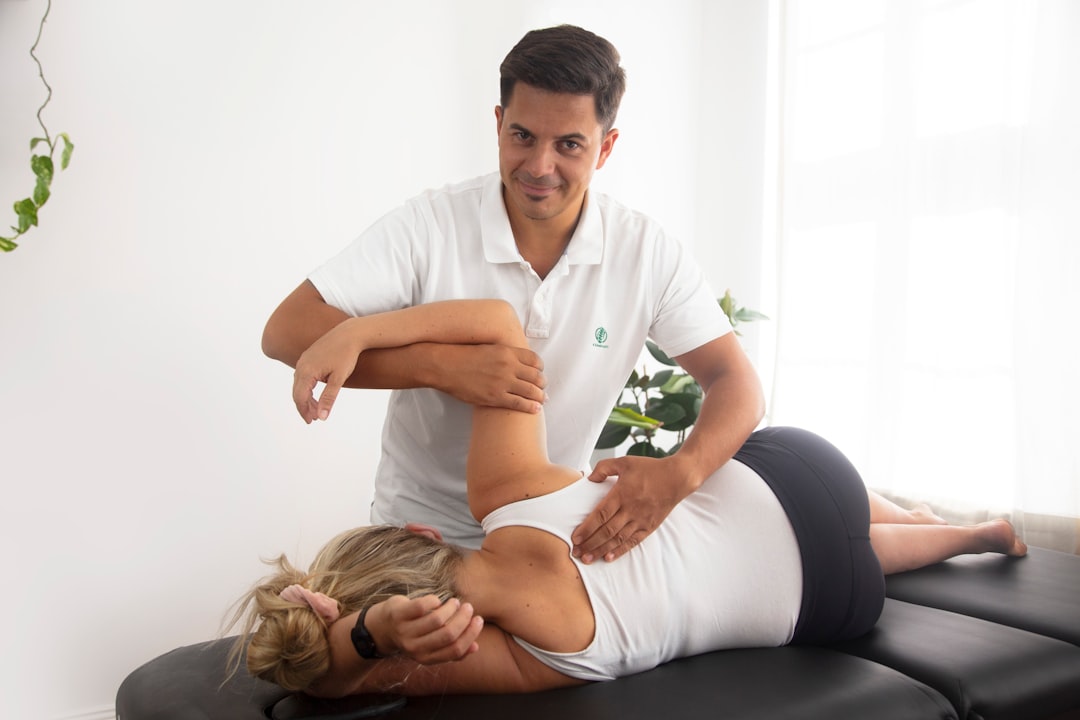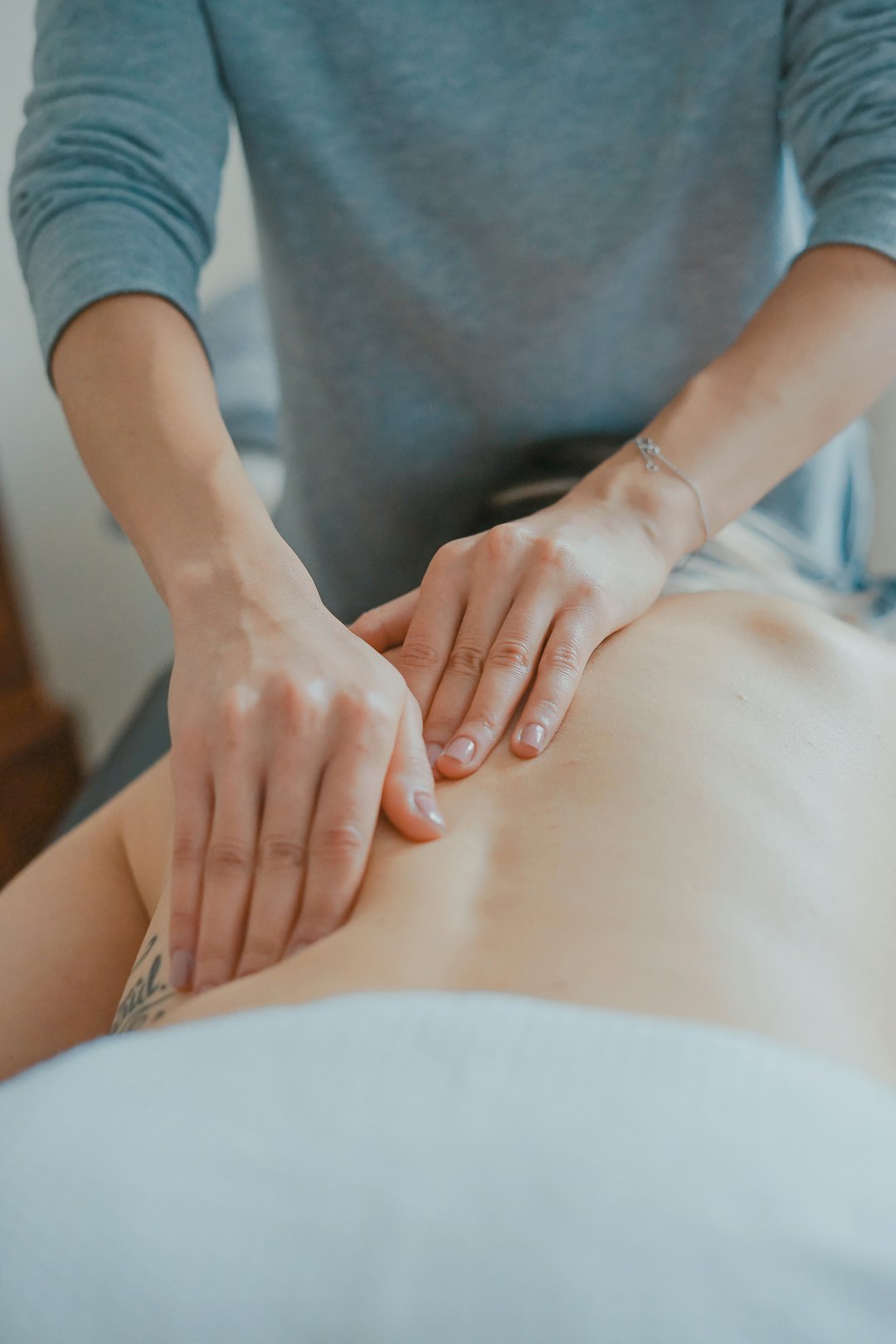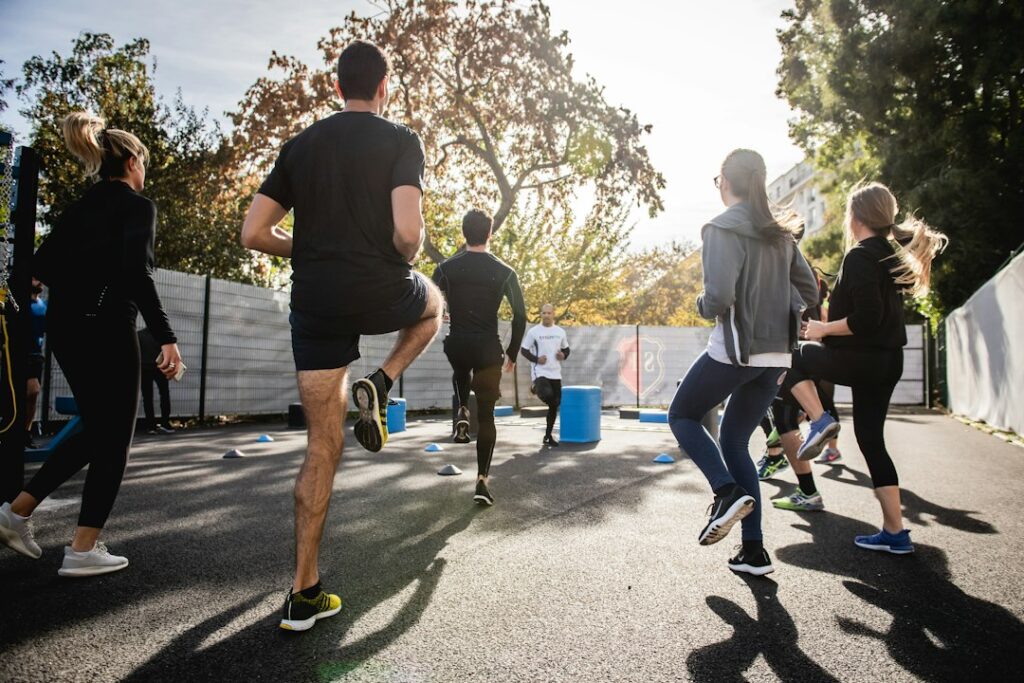

Rest can protect an irritated area during an early phase, but complete inactivity may leave the surrounding muscles, joints, and balance system less ready for normal demands. Rehabilitation replaces guesswork with controlled practice. A session might include gentle mobility, supported strengthening, walking intervals, or low-impact conditioning, depending on the injury and current tolerance. Someone who has been sitting more than usual may need instructions for short movement breaks as well as formal exercises. Guidance through exercise rehabilitation can help match the challenge to the person’s present ability rather than to an ideal timetable.
Progressive overload simply means increasing a demand in small, deliberate steps. The change could be one extra repetition, a longer walk, slightly more resistance, or steadier control of the same task. A person with knee pain might begin with sit-to-stands from a high chair, then use a lower seat, and later hold a light weight. The practitioner may record repetitions, assistance, and symptom response in the treatment notes so the next adjustment is based on what actually happened. A difficult session is not automatically a successful one. Repeatable work usually gives clearer information than an occasional burst that causes a setback.
Range of motion describes how far a joint moves in a particular direction. A stiff knee can make stairs awkward, while limited shoulder motion may affect reaching into a cabinet or putting on a jacket. Exercises generally start within a tolerable portion of the available range, then expand as control improves. For example, a recreational tennis player returning from a shoulder problem might practice gentle reaching, controlled rotation, and partial serving patterns before attempting full-speed serves. Forcing the largest possible position can increase irritation. Smooth movement, breathing, and control often matter more than reaching a dramatic endpoint.
Pain deserves attention, but its presence does not automatically show that healing has been undone. A plan should account for pain intensity, swelling, stiffness, fatigue, and what happens later that evening or the following morning. This is load management: adjusting the amount, speed, frequency, or type of activity to fit recovery. A short, manageable response may be acceptable, while symptoms that build across several days suggest that the plan needs review. Keeping a brief record of exercises, walking time, sleep, and next-day symptoms can expose patterns that are easy to miss during a single appointment.
Strength alone does not restore dependable movement. Proprioception, or awareness of joint position, helps the body respond when a surface shifts or balance changes. Coordination, reaction speed, and endurance may matter just as much for a return to work or sport. A runner recovering from an ankle injury may need calf raises, single-leg balance, landing practice, and gradually longer running intervals. Someone recovering from surgery may first rehearse getting out of a chair, carrying light objects, or managing stairs before adding sport-specific drills. Physiotherapy and exercise care should change as these tasks become easier, rather than preserving an outdated routine.
The most useful program connects each exercise with a real task, such as climbing stairs, lifting a child, completing a work shift, or playing a weekend game. Ask what the exercise is meant to improve, what response is expected, and how progress will be measured. A practitioner may retest a movement, compare walking tolerance, or review the home exercise log at the next visit. Professional assessment is especially appropriate for severe, persistent, or worsening symptoms, or for new weakness and loss of function. Consistent practice matters, but so does reporting an unexpected response before simply adding more work. For guidance that joins clinical assessment with planned exercise, physiotherapy and exercise care can help shape the next step.