A common mistake is thinking exercise rehabilitation means only resting or applying ice. Actually, it requires active involvement. Patients perform specific exercises to enhance flexibility, muscle strength, and endurance. For example, a physiotherapist might begin with gentle range-of-motion drills before progressing to strength training. This staged approach encourages better recovery by stimulating muscle repair and joint stability instead of just waiting for natural healing.
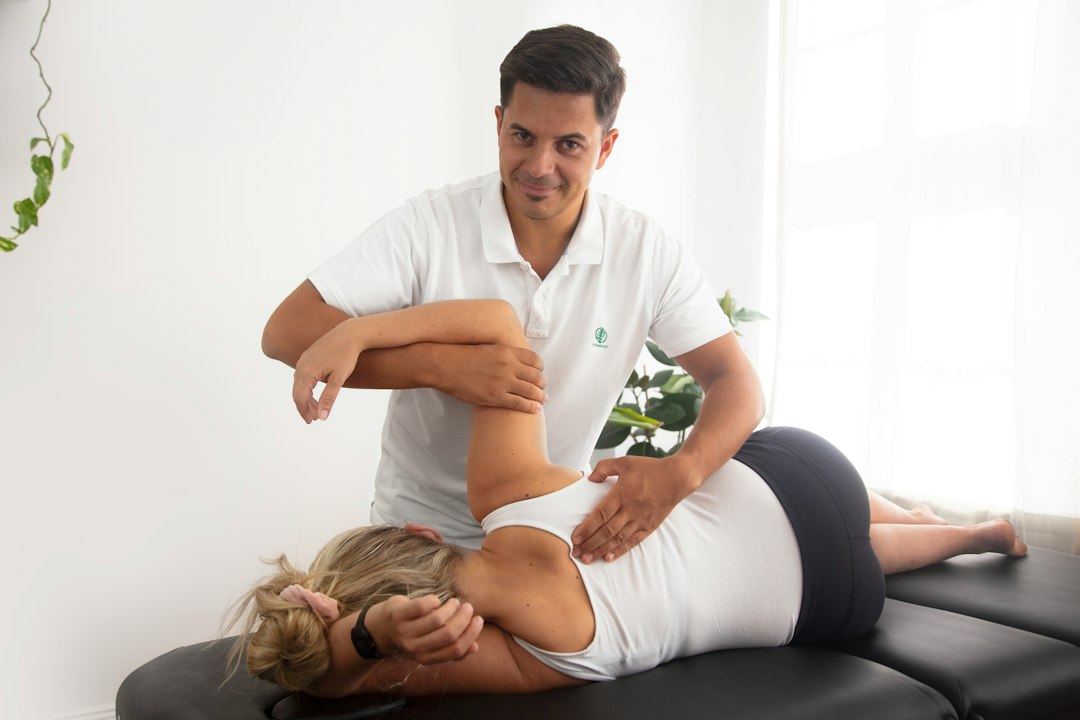
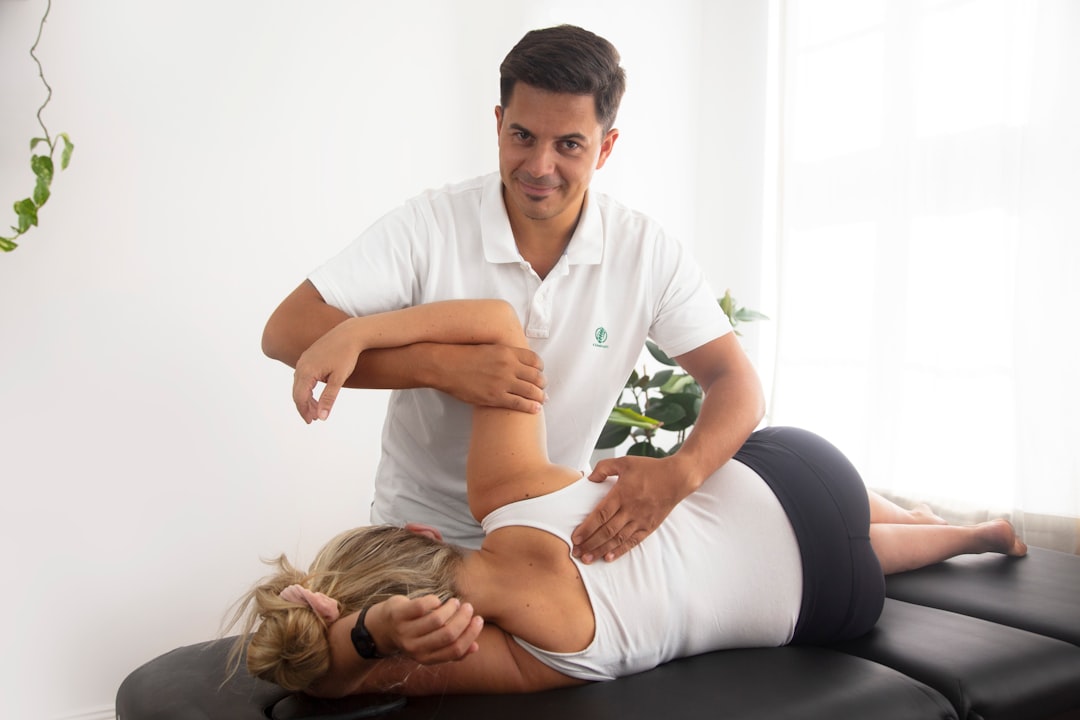
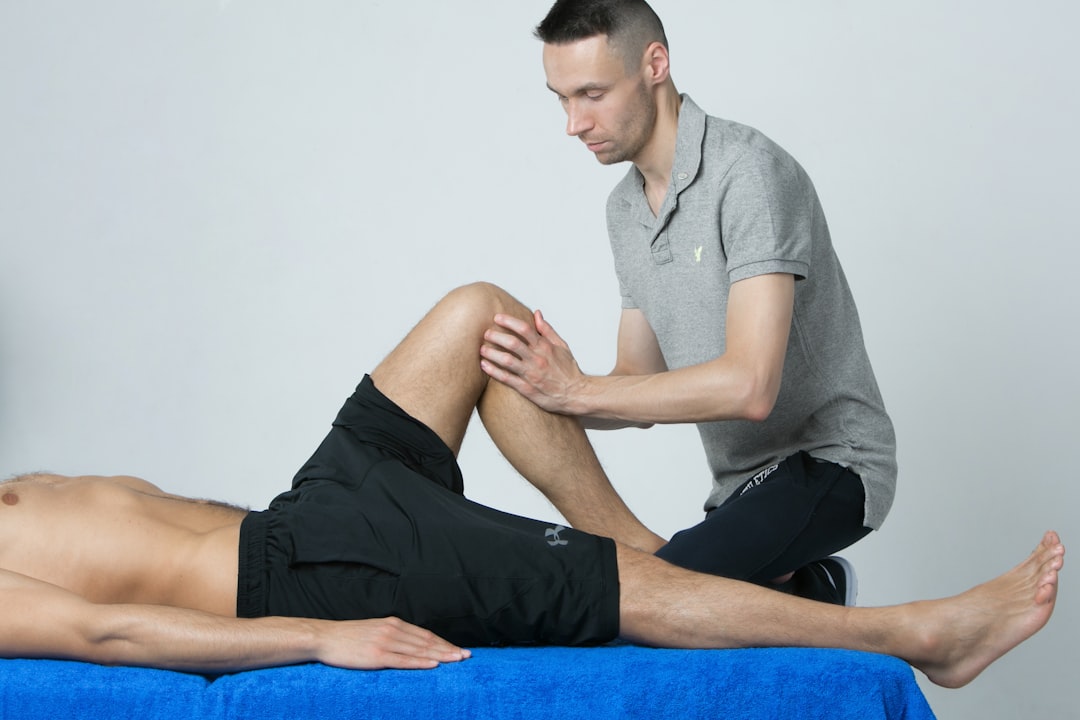
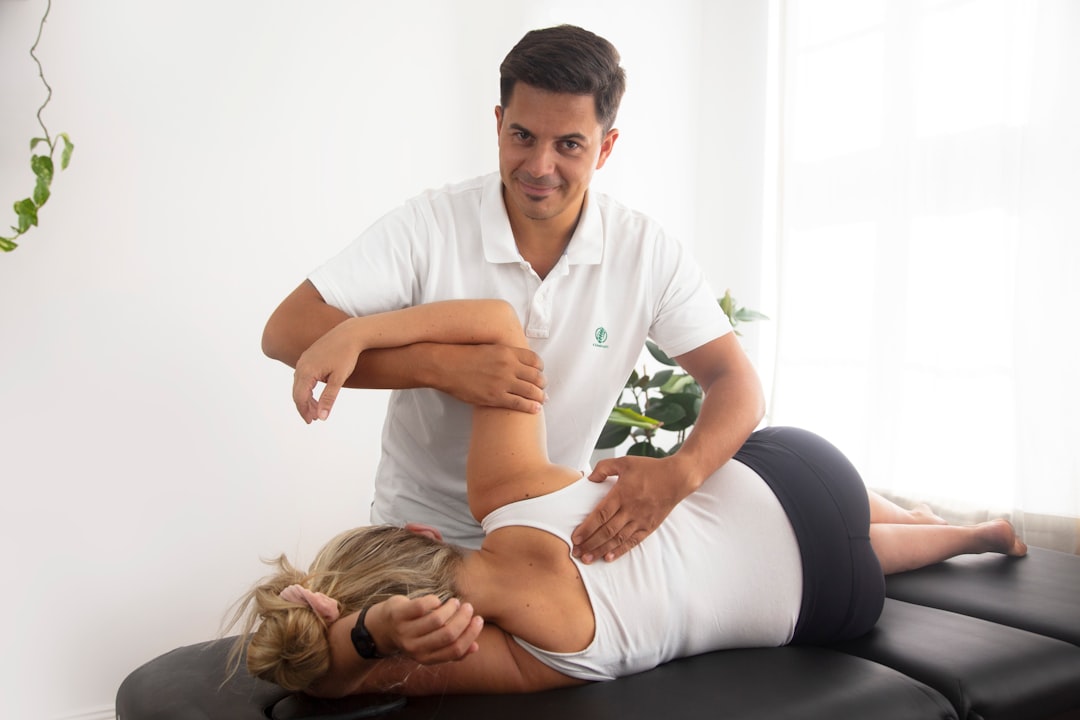
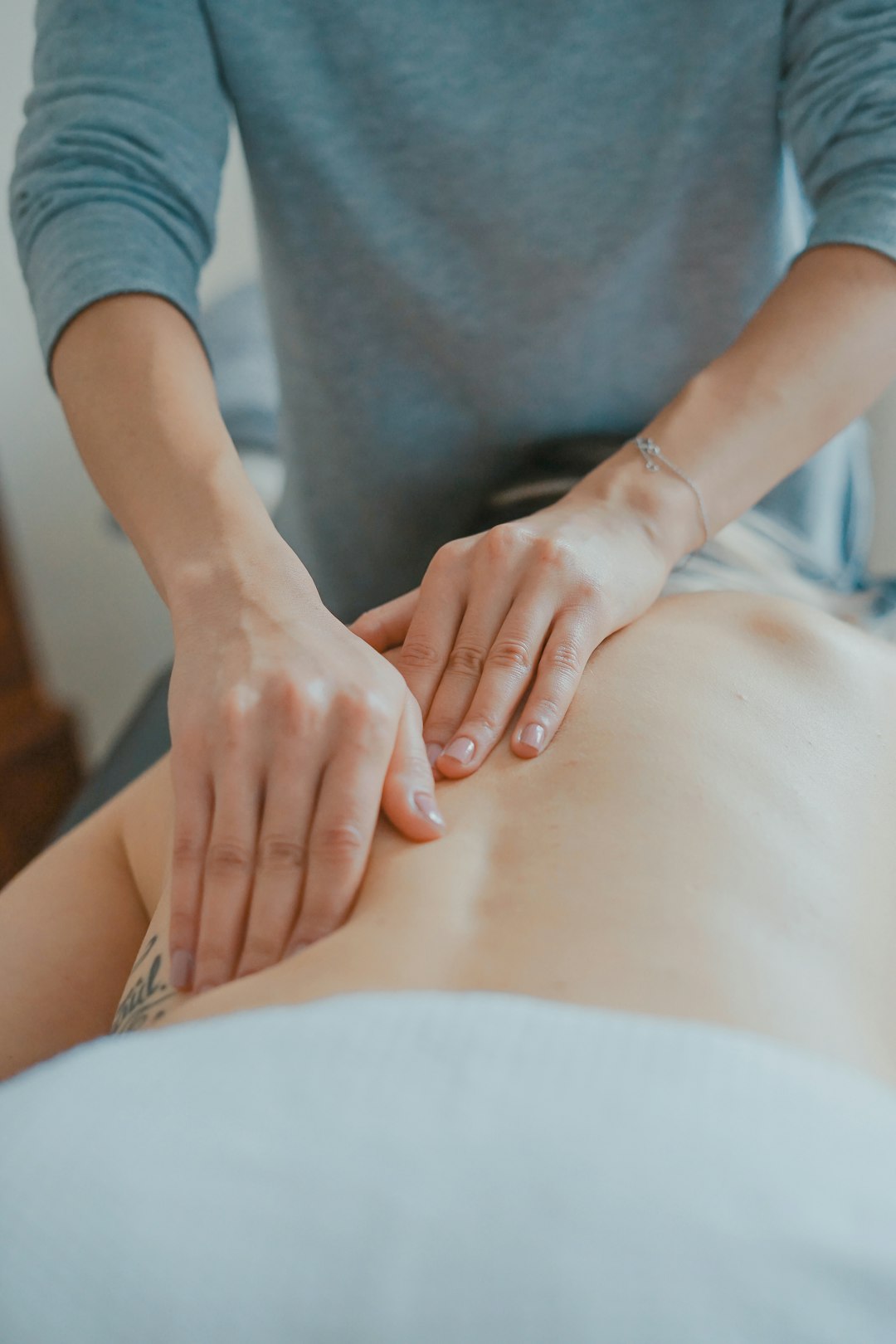
Physiotherapy offers practical treatments that relieve pain and improve movement. Techniques like manual therapy target tight or stiff muscles and joints, while tools such as ultrasound or electrical stimulation help reduce swelling. A thorough assessment allows the therapist to tailor treatments alongside exercises that suit the individual’s injury and progress pace. A real-world detail: therapists often check patients’ daily activities to adjust exercises that fit their lifestyle, avoiding exercises that could cause setbacks.
Exercise physiology adds another layer by examining how physical activity affects body systems during recovery or managing ongoing conditions. An exercise physiologist designs programs based on the person’s health history, fitness level, and goals. For instance, someone recovering from heart surgery might follow a carefully watched exercise plan that slowly ramps up intensity to boost cardiovascular health safely. Regular monitoring of heart rate and symptoms is key here to avoid overexertion.
Building strength and conditioning forms the backbone of many rehabilitation programs. These focus on improving the body’s resilience through targeted workouts such as resistance training, plyometrics, and stretching. Whether dealing with a sports injury or trying to move more comfortably day-to-day, these exercises are adjusted to match what the person needs. A practical tip: patients are usually advised to keep a simple log of their exercises and any pain or discomfort to share with their therapist at follow-ups, ensuring the plan remains effective.
Dry needling is another tool that can ease muscle tension and pain during rehab. By inserting fine needles into specific muscle trigger points, practitioners encourage relaxation and improved blood flow, supporting muscle recovery. This method works alongside regular exercise routines by addressing stubborn tightness that might slow progress. It’s common for therapists to combine dry needling with stretching or manual therapy during a session.
Programs like GLA:D provide structured support for those with hip or knee osteoarthritis by blending education with targeted exercise strategies. Participants learn how to manage symptoms and strengthen muscles around affected joints to reduce pain and improve function. Such programs emphasize patient involvement, teaching people how to monitor their own progress and adjust activity levels accordingly.
Supportive techniques like taping and casting serve different purposes in rehabilitation. Taping offers stability while still allowing movement, which helps during gradual return-to-activity phases. Casting is reserved for serious injuries where immobilizing a joint or bone is necessary to allow proper healing. Understanding when to use each method depends on careful clinical judgment and regular reassessment.
If you’re dealing with injury recovery or want to improve physical performance, exploring exercise rehabilitation options can be a solid step forward. Connecting with practitioners who understand these methods provides guidance tailored to real-life needs. For more information on rehabilitation techniques and how they apply day-to-day, visit .