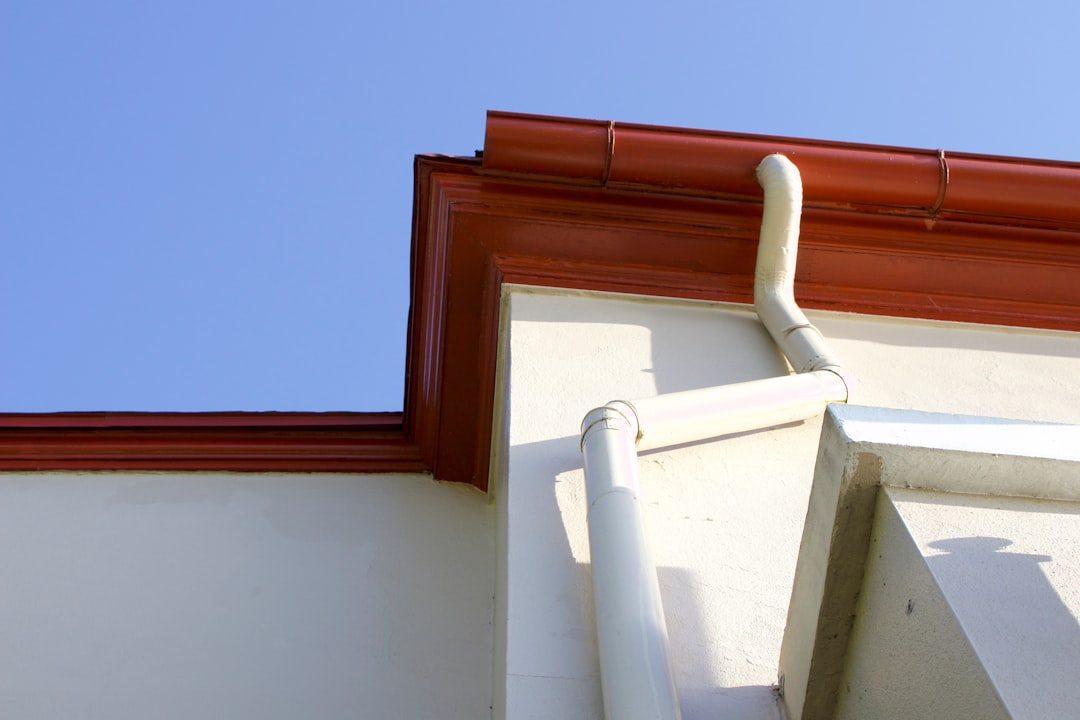

One of the first things to watch for is debris buildup. Leaves, twigs, and dirt gather on rooftops and clog gutters, which can cause water to pool in the wrong places. For example, a café with outdoor seating near trees might find gutters blocking up with leaves, leading to water overflow during storms. Not only can this damage roofing materials, but it also creates a mess customers will notice. Clearing gutters at least twice a year, ideally after autumn leaf fall and spring, can prevent these headaches.
Checking the flashing around chimneys, vents, and skylights is another critical step. Flashing directs water away from joints where roofing meets other structures. If flashing cracks or pulls away, water will seep in and cause leaks inside. A warehouse owner might discover soaked inventory due to failing flashing that was never repaired. Tightening loose flashing and resealing joints with appropriate roofing cement can stop leaks before they start.
Cleaning the roof surface itself is often overlooked but important. Moss, algae, and lichen thrive in damp conditions and hold moisture against shingles or tiles. Over time, this weakens roofing materials and shortens their lifespan. For instance, a retail store with a flat roof might see bubbling or cracking caused by unchecked moss growth. Using gentle cleaning solutions designed for roofs and brushing off growth every year can keep your roof healthy.
Professional roof inspections are worth the cost, even if some owners hesitate. Experts spot subtle signs of wear like granule loss on shingles or small seam gaps that aren’t obvious to the untrained eye. They also inspect attic spaces for water stains or mold that indicate leaks above. Consider these inspections as preventive care. Spending a few hundred dollars now can prevent thousands in repairs later.
Deciding between repair and replacement depends on the roof’s age and condition. If patches are frequent and costs add up, replacing the entire roof might be more economical long term. Roofing materials have typical lifespans, 15 to 30 years depending on type, and knowing yours helps you plan ahead. Keep records of all repairs and inspections; this documentation is invaluable when evaluating your roof’s health.
Effective roof maintenance means catching problems early and acting fast. Regular checks after storms, clearing gutters before heavy rain seasons, and scheduling yearly cleanings are good habits. Many property owners miss these simple steps and end up with avoidable damage that disrupts business.
For more detailed guidance on maintaining your roof or arranging services tailored to your building’s needs, visit commercial roofing advice online. It offers practical information on care routines specific to different roof types and climates.