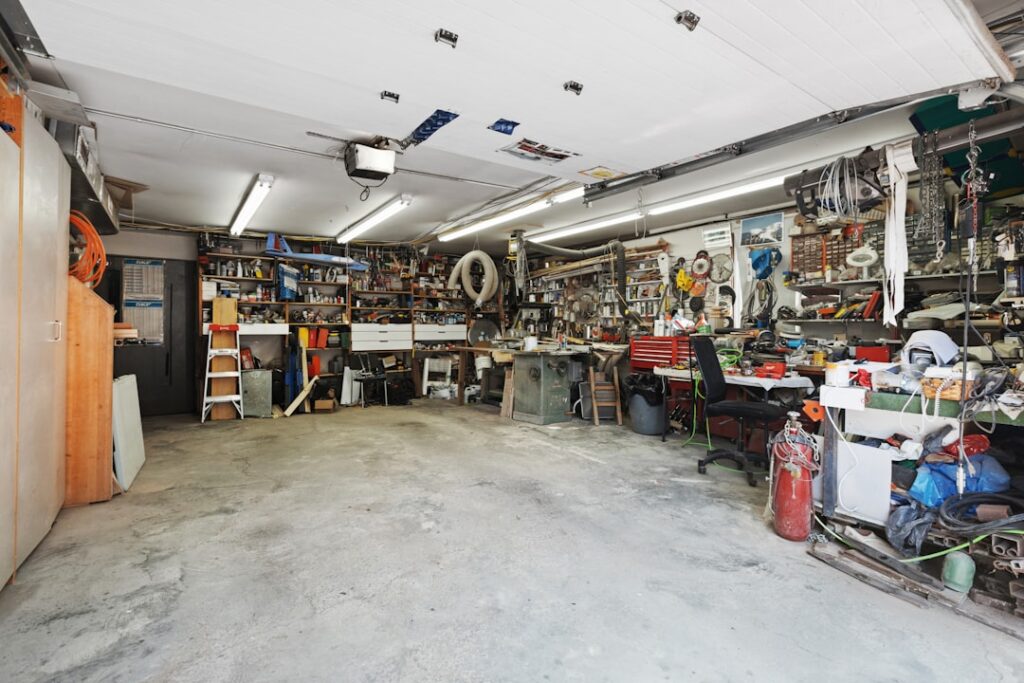

Security tops the list when selecting a storage facility. Look for places with CCTV cameras covering all angles, gated entrances with coded access, and staff on site during business hours. These measures help stop theft and vandalism, giving you confidence your vehicle won’t be tampered with. Classic car owners often check that the facility has good lighting and alarm systems to protect their valuable investment.
The type of storage matters. Indoor units shield vehicles from rain, frost, and sun, which can cause paint fading or rubber seal degradation. Concrete floors indoors keep moisture off tires and undercarriages. Outdoor spots with concrete pads are cheaper but require you to invest in high-quality covers to protect against dust, bird droppings, and UV rays. Many owners clean and dry their vehicles thoroughly before storage to avoid mold and corrosion.
Access convenience varies widely. Some facilities are tucked far from main roads, making retrieval a hassle. Others are close to highways or public transport hubs, saving time when you need your vehicle quickly. Check opening hours too; some places limit access to weekdays only, which can be frustrating if you need last-minute use on weekends.
For businesses running multiple vehicles like delivery vans or client transport coaches, choosing a facility that handles various sizes and types is vital. Some locations have larger bays with extra height clearance and provide maintenance services like battery charging or tire inflation checks. Scheduling regular inspections during storage can prevent issues from developing unnoticed.
Undercover storage options reduce exposure to harsh sunlight and falling debris, which helps preserve paintwork and interior materials. Sun damage is a silent killer for vehicles left outside for months. A shaded area also keeps temperatures more stable, cutting down on tire pressure fluctuations. Businesses with fleets often find this reduces their overall upkeep costs.
When deciding where to store your vehicle long term, consider security features, ease of access, type of protection (indoor versus outdoor), and any additional services offered. Checking reviews or visiting facilities in person can save you from unpleasant surprises later. For detailed information tailored to your situation, explore long term storage units that match your needs.
Facilities with recognized security certifications stand out because they follow industry guidelines for protecting stored vehicles. These credentials usually mean regular audits of security systems and staff training. If you’re storing a high-value vehicle, this kind of verification is worth the extra effort for added assurance.
Choosing a long term storage option is about balancing your vehicle’s protection with practical concerns like location and budget. Knowing what each facility offers, from concrete pads and undercover spaces to on-site maintenance, helps you pick a spot that keeps your investment safe without hassle. For more about practical storage choices for your vehicle type, visit vehicle storage advice.