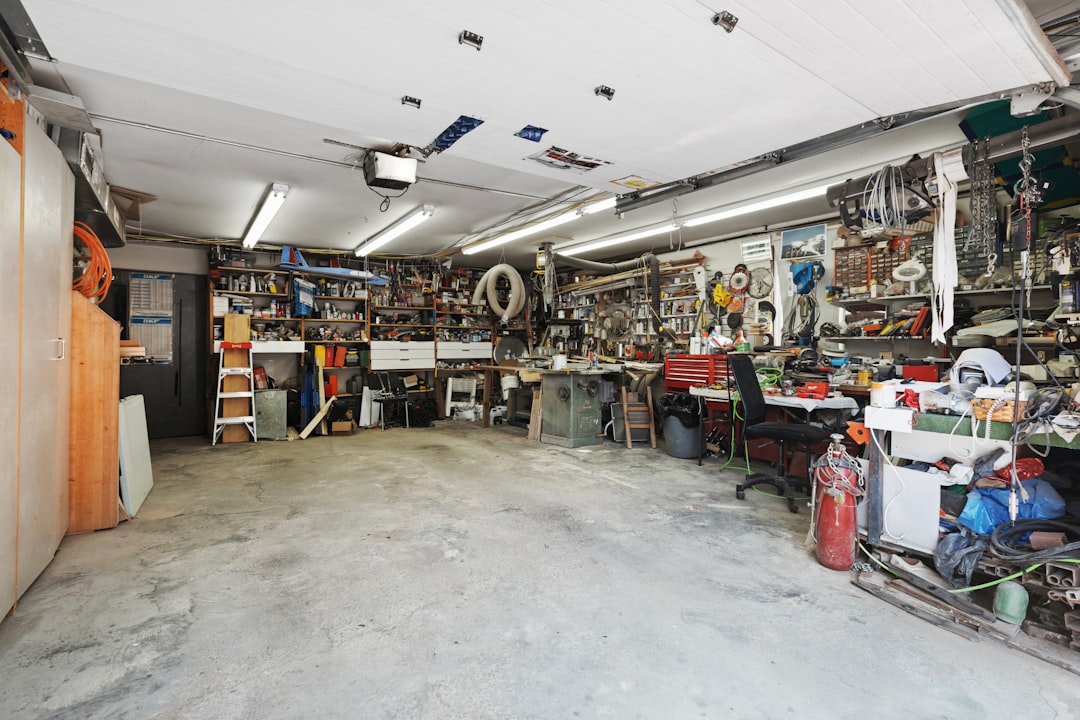

Take measurements before making an enquiry, including roof-mounted equipment, tow bars, bike racks and mirrors that remain fitted. The brochure length may not match the space needed on site. Ask whether the vehicle stands on concrete, gravel or another surface, and whether there is enough clearance beside it for safe access. Concrete standing provides a firm, level base and is less prone to becoming muddy after wet weather, but it does not shelter a vehicle from rain or sunlight. Ask about the approach road, turning area and whether reversing a caravan into position is practical.
Security should be discussed in specific terms rather than accepted as a general promise. Ask how the perimeter is controlled, what access method customers use and whether entry is limited to agreed hours. CCTV can help record activity, although it is one part of site management rather than a replacement for controlled access and sensible procedures. CaSSOA Gold is an accreditation associated with caravan storage standards and can be a useful point for comparison. A South Yorkshire facility holding the CaSSOA Gold 2025 Award should still explain its current visitor arrangements, access process and any requirements for customers collecting a vehicle.
Location affects the storage experience because collection often happens at awkward times, such as early on a Friday before a holiday or after returning from a long trip. A site described as five minutes from Junction 31 of the M1, on a four-acre South Yorkshire site, may be convenient for drivers approaching from several directions. Actual journey time depends on your home, traffic and confidence towing through unfamiliar roads. Before booking, check the entrance on a map and ask whether the gate, internal road and turning space suit your vehicle. A nearby motorway does not remove the need to assess the final approach.
Undercover storage can reduce direct exposure to rain, strong sunlight and falling debris, but it does not remove the need for routine care. Confirm whether the space is fully enclosed, roofed on only one side or shared beneath a canopy. Outdoor storage may be suitable if the standing and cover arrangements meet the manufacturer’s guidance. Before leaving a caravan over winter, owners commonly check seals, tyre condition, loose external items and battery instructions. Ventilation may also matter. These checks belong to the owner, so ask what access is allowed for inspections and whether maintenance visits need to be arranged.
Short-term and long-term arrangements suit different circumstances. Someone replacing a driveway may need several weeks of storage, while a motorhome owner may want a place throughout the winter. Confirm the minimum term, payment dates, notice period and any requirement to book a collection in advance. Ask what happens if your travel dates change or another person needs to collect the vehicle. A low price may be poor value if access is restricted or the space is too tight. Written terms should state what is included, rather than leaving an informal parking arrangement open to interpretation.
Prepare the registration number, approximate dimensions, photographs of unusual fittings and the dates you need before contacting a provider. Ask what identification is accepted, who may collect the vehicle and whether an inspection visit is possible. Insurance needs careful checking because a normal road policy may treat stored vehicles differently from vehicles in regular use. Confirm the position with your insurer and the storage operator. At handover, note existing marks, record mileage where relevant, and keep keys and documents securely. Reviewing these details with a provider offering secure vehicle storage can prevent avoidable disagreements later.