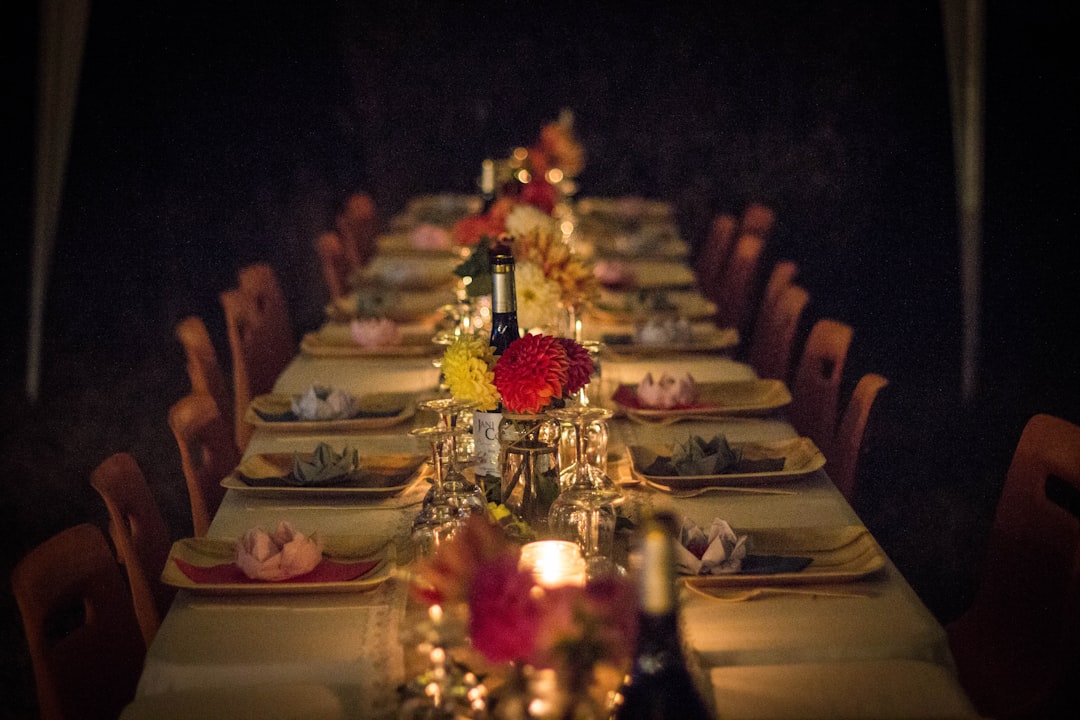

Capacity should be tested against your actual floor plan, not copied from a headline number. A room advertised for 150 guests may feel crowded once it contains round tables, a buffet, a bar, a band, and a dance floor. Request a sample layout or sketch one with the venue coordinator. Mark the dining tables, service stations, DJ or band position, exits, and any space reserved for gifts or a cake. If your guest list is 120 people, ask to see how that exact arrangement works rather than accepting the maximum occupancy as a practical seating recommendation.
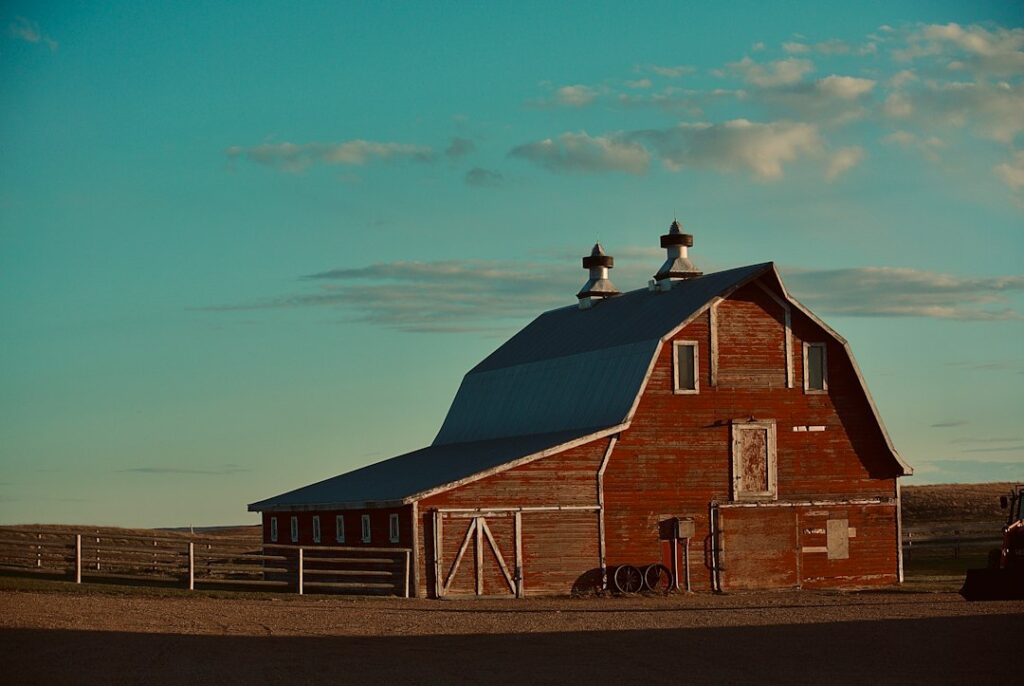
Study the relationship between the ceremony site and the reception building. An outdoor ceremony beside fields, gardens, or wooded areas may require guests to walk over grass or gravel, while using the barn for both portions of the day can shorten the route for older guests and anyone with limited mobility. Request a site plan showing buildings, paths, parking, restrooms, and photo areas. Walk the proposed route in person if possible. Note where guests will wait, where the wedding party will enter, and whether signs are needed at a fork in the path.
Rain and temperature need a written plan, not a vague promise to decide later. Ask how the barn is heated, whether windows or fans provide ventilation, and where guests will go if an outdoor cocktail hour becomes uncomfortable. A spring wedding may need room for cocktail tables inside while staff reset the ceremony or dining area. For a warm early autumn event, shade, drinking water, and airflow may matter more than an additional decorative area. Ask who makes the weather call, when that decision is made, and whether a floor plan can be changed without disrupting vendor setup.
Review the rental schedule with the same care you give the wedding timeline. Load-in covers the period when the caterer, florist, musicians, and rental company bring equipment inside; load-out covers removal after the event. Ask when each vendor may arrive, where delivery vehicles can stop, and whether the access road has any restrictions. Confirm whether a kitchen, sink, refrigeration, prep table, or staging area is available, and who removes rubbish. Put candle rules, open-flame limits, amplified music conditions, hanging decor permissions, and end-of-night responsibilities in writing before deposits are paid.
Walk through the guest experience from arrival to departure. A farm property may have attractive foliage, animals, gardens, and pasture, but guests still need clear directions and safe walking surfaces. Tell attendees in advance if formal shoes are likely to sink into lawn or if part of the route is uneven. For a 90-person reception, check whether cars arrive in a short rush and whether attendants or signs will prevent confusion. Inspect path lighting after sunset. Also ask about an accessible route, restroom distance, rideshare drop-off, shuttle access, and transportation for guests who should not drive home.
Compare the complete arrangement instead of looking only at the rental fee. Request a written description of exclusive use, the rooms and outdoor areas included, furniture supplied, setup duties, cleanup duties, and any spaces shared with another event. A renovated historic barn may offer character and a deck, yet the agreement should still state where guests may go and what equipment is permitted. Read payment dates, cancellation language, insurance requirements, damage procedures, and weather terms. Keep the signed agreement, floor plan, vendor contacts, and venue policies in one shared folder so the coordinator and planner work from the same version.
Visit the property during a season similar to your wedding date, then rehearse the timeline on site. Time the walk from parking to the ceremony and from the ceremony to dinner. Open the restroom door, inspect the catering access, count usable outlets, and stand in the proposed band location to hear how sound carries. A short visit can expose a missing sign, narrow service entrance, or inconvenient power source before rentals are ordered. Ask the coordinator to initial any changes to the floor plan, access window, or included equipment, and send the updated document to every vendor who will rely on it.