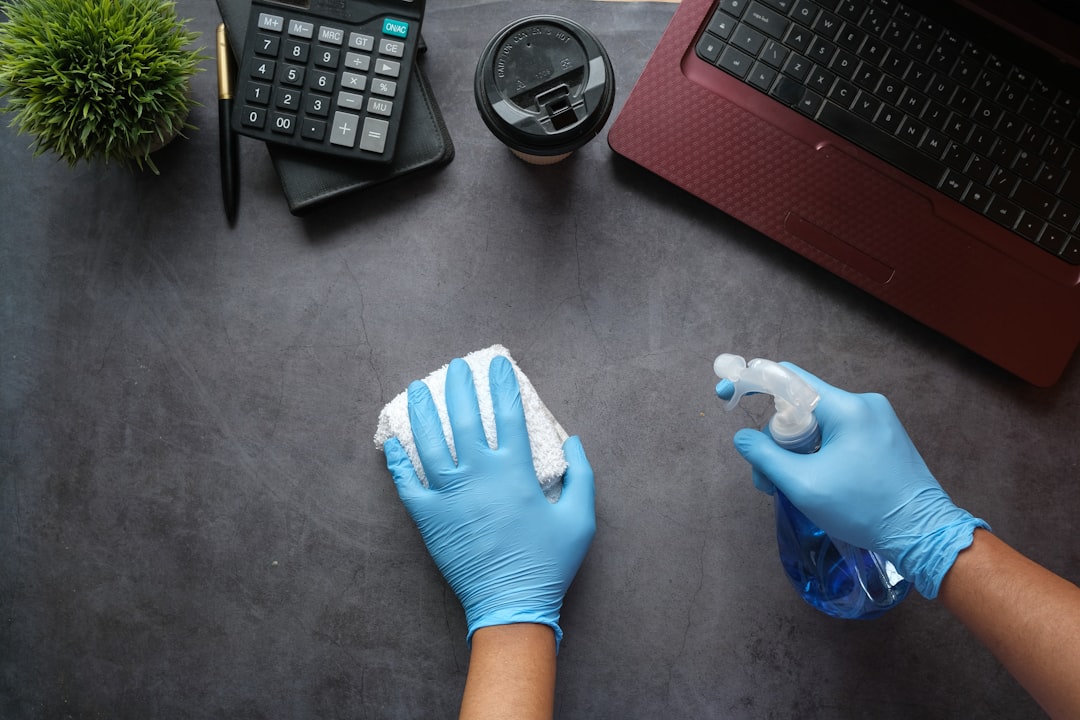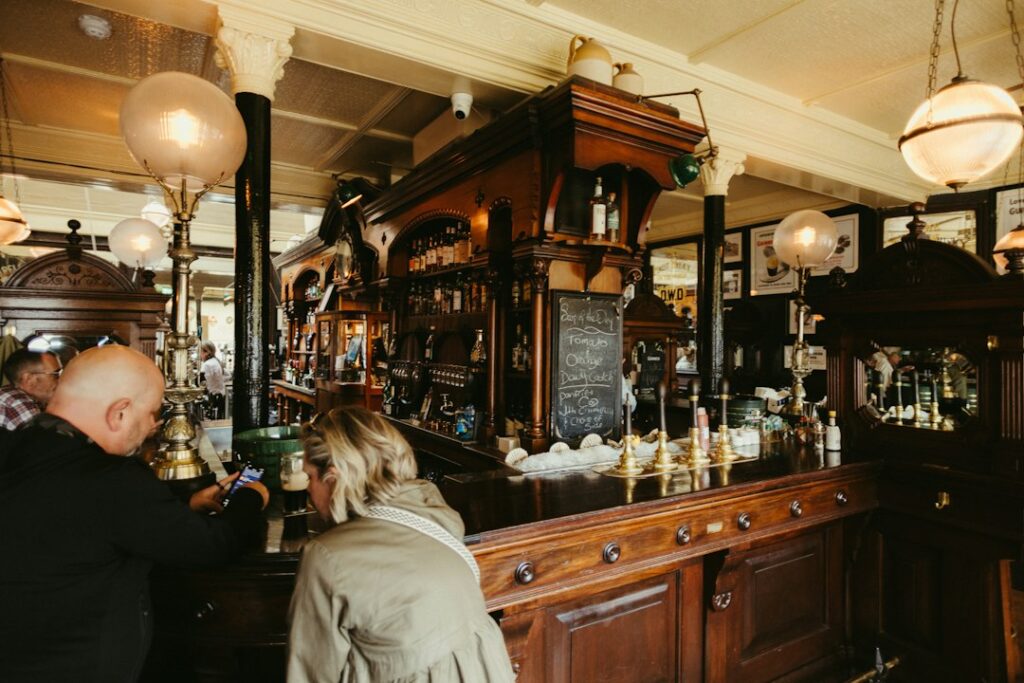

A practical cleaning plan separates visible tidying from sanitation. Tidying removes glasses, waste, and loose debris, while sanitation reduces microorganisms on already-clean surfaces. Cleaners should pay particular attention to touchpoints such as tap handles, payment terminals, door pulls, menus, and restroom fixtures. Dwell time is the plain-English term for how long a disinfecting product must remain visibly wet before it is wiped away. If it is removed immediately, the product may not work as intended. A manager comparing pub cleaning singapore services should ask how these steps are recorded.
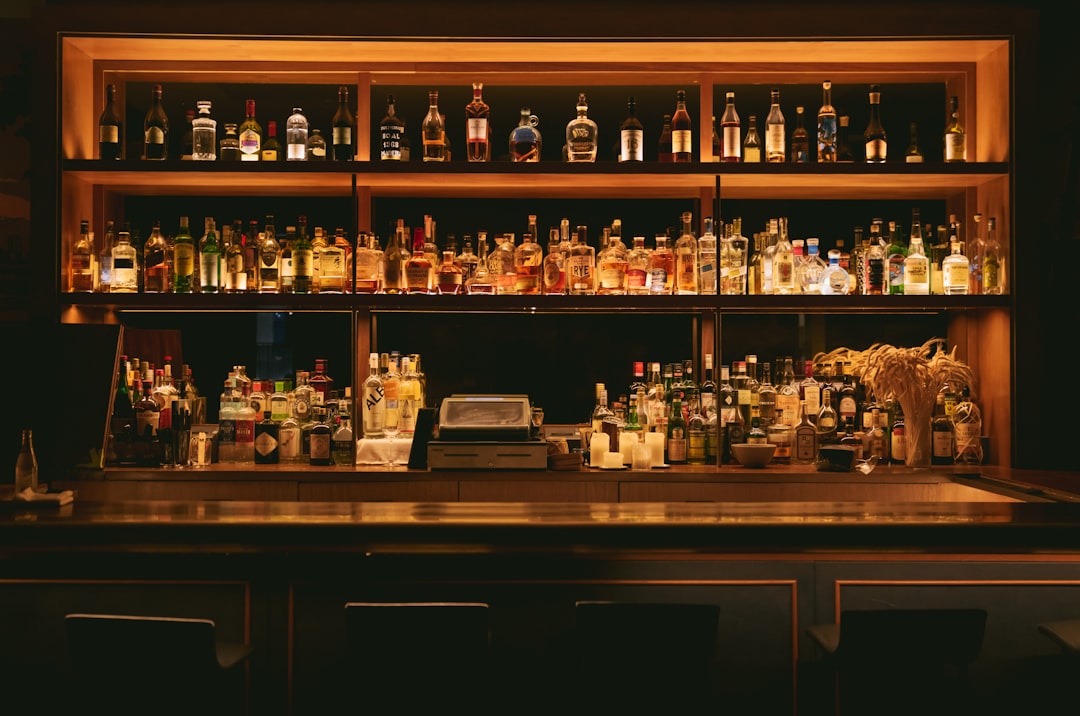
The bar area usually needs a different method from the dining room. Degreasing means using a suitable cleaner to break down oily buildup, especially beneath counters, around cooking equipment, and beside beer lines. It is not the same as spraying fragrance over residue. A careful team checks whether a countertop is sealed stone, metal, laminate, or wood before choosing a product, since an unsuitable chemical can dull or stain it. Glassware shelves, cool-room handles, and skirting boards also deserve attention because they collect splashes that are easy to miss during a fast visual pass.
Floor care is another place where routine shortcuts become noticeable. A cleaner should first remove dry grit, then use the right amount of solution, and finally leave the surface as dry as practical. Slip resistance refers to how much traction a floor provides when shoes or spills are present. Heavy detergent residue can make a floor feel slick, while aggressive scrubbing can wear a finish. For a pub with tile, vinyl, or textured concrete, the cleaning method should match the material. A small test area is sensible when the existing finish or product history is unknown.
Restrooms need a separate sequence because cross-contamination can occur when the same cloth or mop moves from a toilet area to a bar or dining surface. Color-coded tools are one simple control: different colors are assigned to zones so equipment is less likely to travel between them. High-touch fixtures should be cleaned before disinfection, since dirt can shield the surface. Vent grilles, grout lines, mirrors, and the underside of sinks also affect how clean the room feels. In a realistic evening visit, these less obvious areas often distinguish careful maintenance from a rushed checklist.
Scheduling deserves as much attention as technique. A pub may need a light pre-opening visit, a deeper weekly session, and targeted work after a private event, rather than one identical service every day. Ask who supplies equipment, how keys and alarm access are handled, and whether insurance, training, and safety procedures are documented. Eco-friendly products can be useful, but a label alone does not show that a product suits every surface. Reviewing commercial cleaning guidance can help a manager frame these questions before comparing quotations.
A useful handover is specific enough for the next shift to spot missed work. It might note that the bar front was degreased, the restroom touchpoints were disinfected, and a spill-prone corner needs monitoring after opening. Photos can help with recurring issues, although they should avoid capturing customers or private information. I see the strongest pub routines stay flexible: they respond to a crowded weekend, a broken bottle, or a rain-soaked entrance without abandoning the basic process. When scope, timing, surfaces, and follow-up are clear, cleaning becomes part of dependable daily operations rather than a last-minute scramble.